
The Contracts
We've Rewritten.
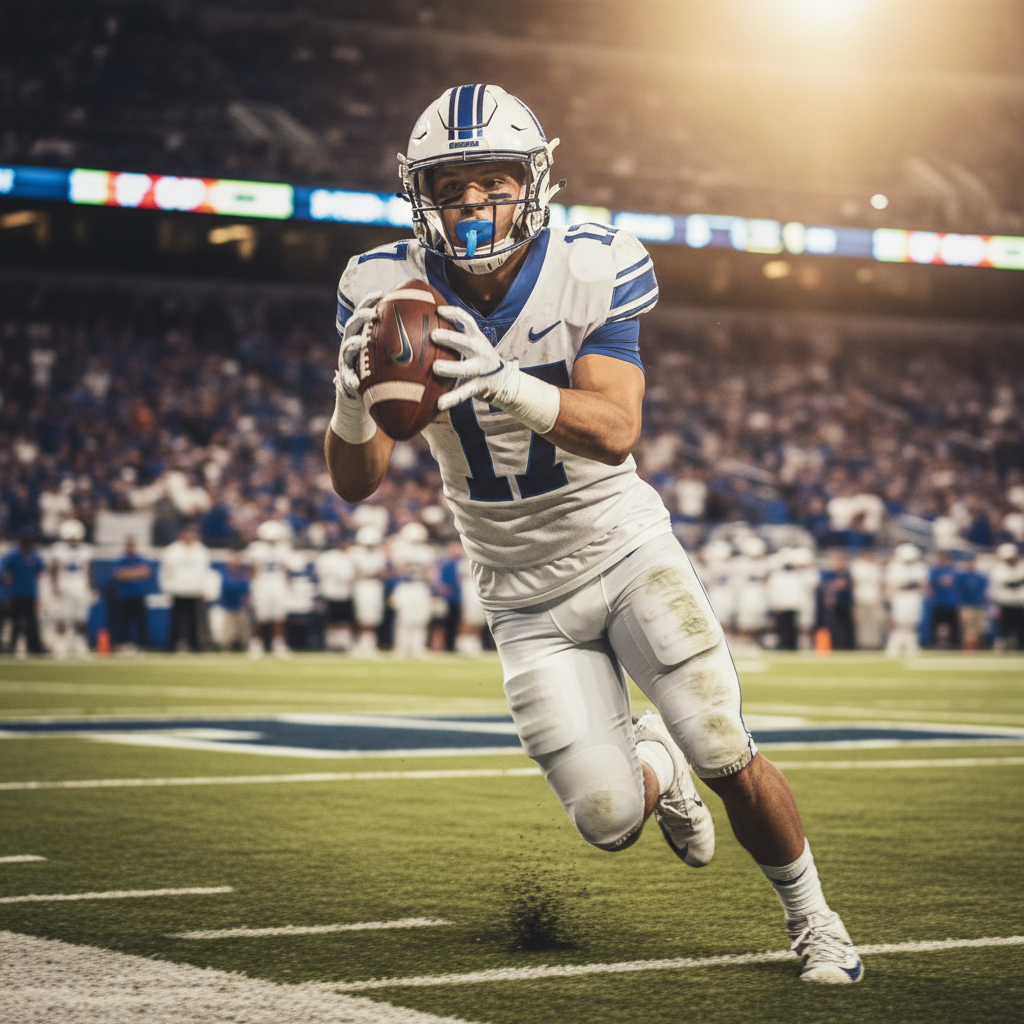
Marcus Webb
Division I Wide Receiver · LSU
A regional sportswear brand approached Marcus with a $38,000 NIL deal two weeks before spring signing day. His coach said it looked fine. His parents thought it sounded like a lot of money for a sophomore.
Section 7(b) contained a perpetual image rights assignment — the brand could use Marcus's likeness indefinitely, including after any future NFL draft. The exclusivity window covered all apparel categories for 36 months.
We renegotiated the exclusivity to footwear-only, capped the image rights at 18 months, added a buyout clause at $12,000, and increased the base fee by $9,000 to reflect the restricted categories.
"I almost signed something that would've followed me into the draft. Shield caught it in 48 hours."— Marcus Webb
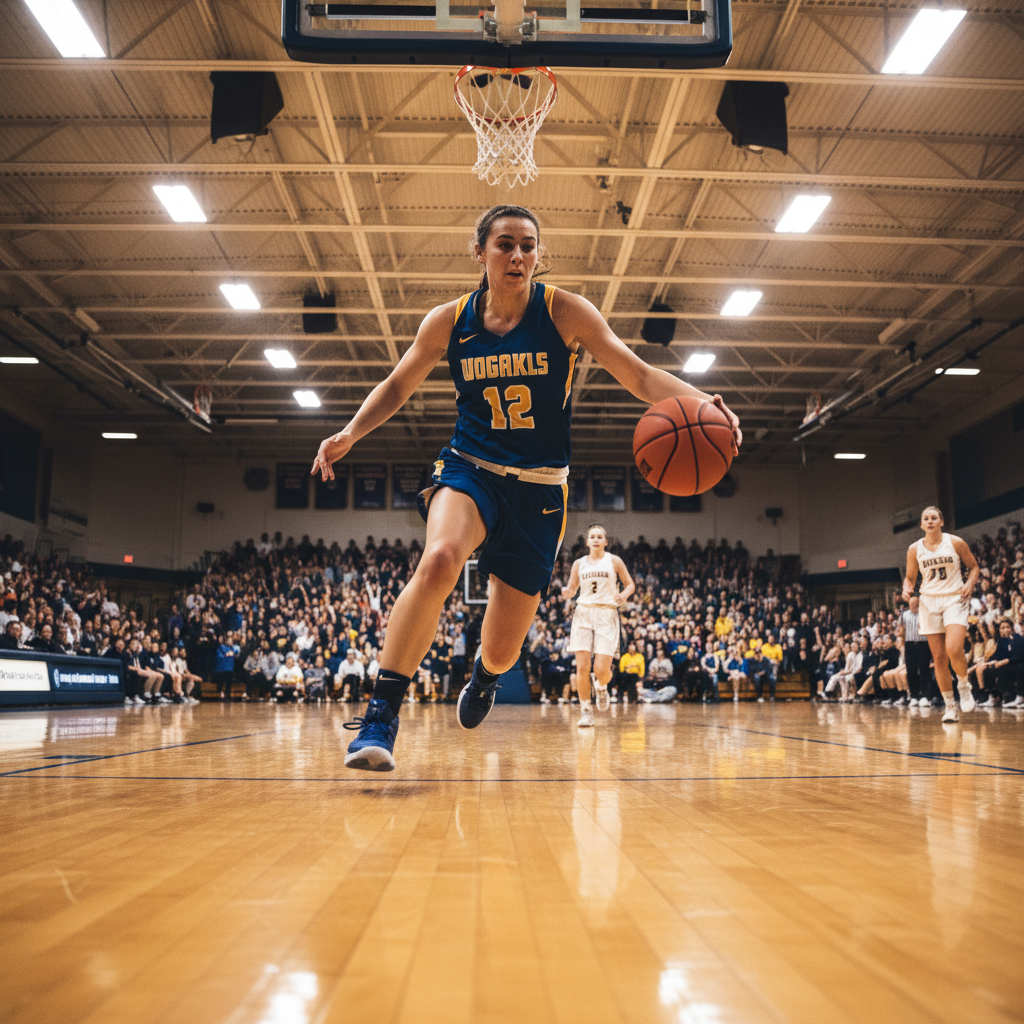
Destiny Okafor
Elite Shooting Guard · #4 National Recruit
Three agents called Destiny's family in the same week she broke the state scoring record. Each one arrived with a letter of intent, a pitch deck, and a "standard" representation agreement they wanted signed before the next contact window closed.
Two of the three agreements contained sub-agency clauses that would have entitled the original agent to 15–20% of all future earnings even if Destiny switched representation. One included a marketing rights assignment that predated any actual deal.
We reviewed all three agreements, briefed the family on the sub-agency risk, and helped them select the one agent whose contract had none of the predatory language. Destiny entered college with clean representation and full earnings control.
"Every agent acted like they were doing us a favor. Shield showed us what was actually in the contracts."— Destiny Okafor
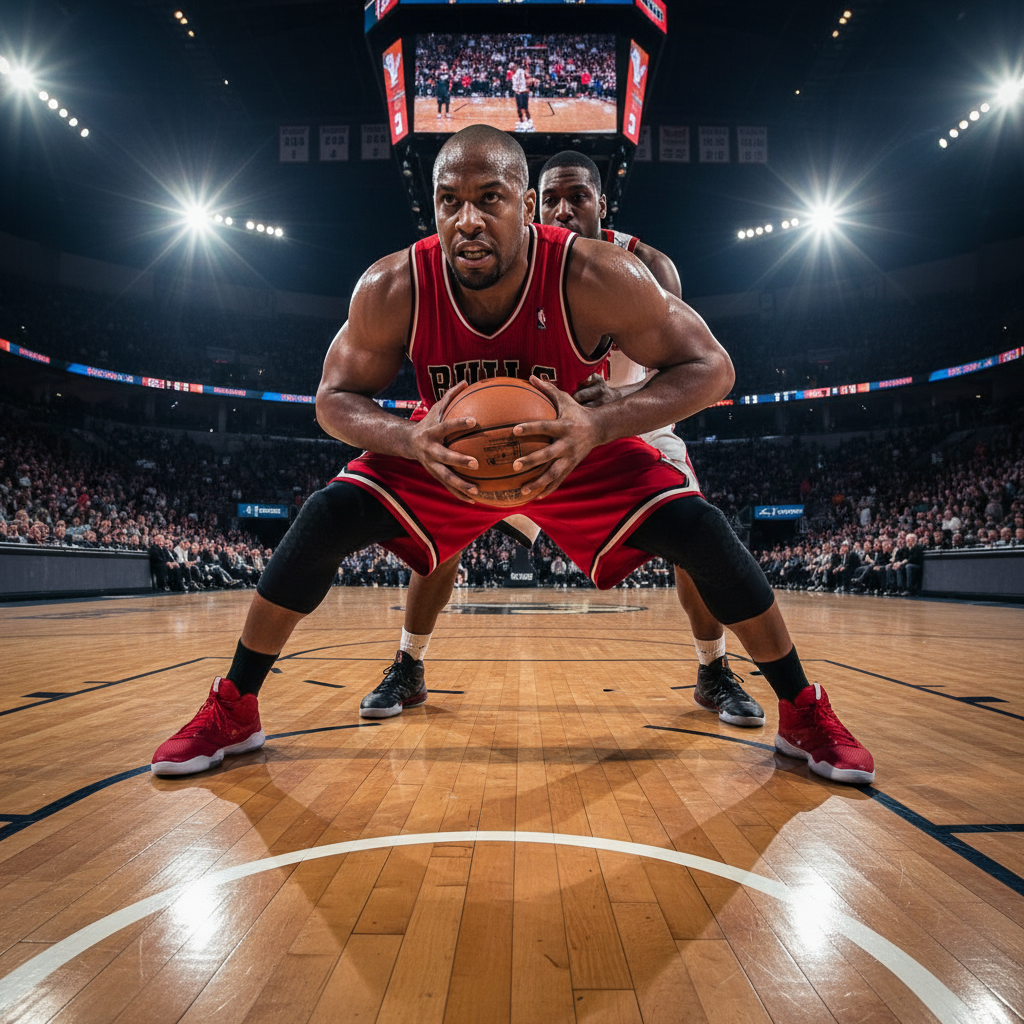
Darius Flemming
NBA G-League Forward · Two-Way Contract
Darius was 26, on his third two-way contract, and his agent hadn't returned a call in four months. A mid-level European club had just offered a two-year guaranteed deal. His current team had a matching right clause buried in section 11.
The matching right clause had a 72-hour exercise window — his agent had missed it twice before. The European offer also contained a loan-back provision that would have obligated Darius to return to the US club for 45 days mid-season, voiding the guarantee.
We triggered the matching right window properly, negotiated the loan-back provision out of the European contract, and helped Darius transition to new representation. He signed the European deal fully guaranteed, no mid-season disruption.
"My agent went quiet right when it mattered most. Shield stepped in and got the deal done clean."— Darius Flemming
How Shield
Works For
You.
Three phases. No retainer required for the first review. Shield has operated this way since day one — because the first conversation should cost you nothing except time.
Submit Your Contract
Upload your current or pending agreement — NIL deal, representation contract, endorsement term sheet, or any document that binds your name, likeness, or future earnings. Shield accepts PDF, Word, or a photo of the pages.
Clause-by-Clause Analysis
Every section gets read. Shield flags predatory language, missing protections, and clauses that could follow you beyond the deal's stated term. You receive a written summary with specific line references and risk ratings.
Negotiation & Restructure
Shield engages directly with the other party to modify or remove flagged clauses. Where the contract can't be changed, you'll know exactly what you're accepting and why — so the decision is yours, not theirs.
Most agents get paid when you sign. Shield gets paid to make sure what you sign is worth signing. That's a different incentive — and it shows up in the work.
"The first thing Shield said was: 'I've seen this clause before. It cost someone $200,000. Let's fix it.'"
Kenji Watanabe
College Track & Field · NCAA D1